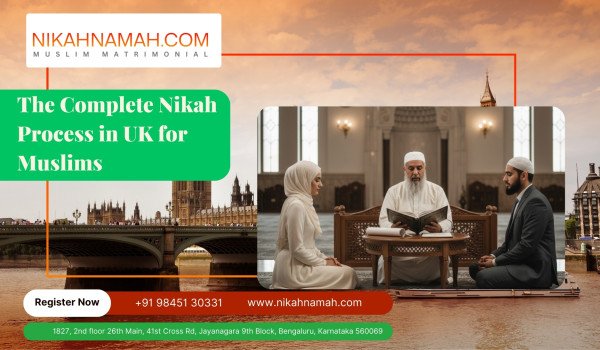
Marriage is one of the most significant milestones in a Muslim's life. The nikah, or Islamic marriage contract, is a sacred covenant in Islam. Yet for Muslims living in the United Kingdom, navigating the nikah process involves understanding both Islamic requirements and UK legal frameworks. This comprehensive guide explains everything you need to know about the nikah process in the UK for Muslims, ensuring your marriage is both spiritually fulfilling and legally recognized.
Understanding Nikah: The Islamic Marriage Contract
Before exploring the specifics of the nikah process in the UK, it's important to understand what nikah actually means in Islam.
What is Nikah?
Nikah is the Islamic marriage contract between two individuals. In Islamic law, it's far more than a ceremonial event—it's a binding legal and spiritual agreement. The word "nikah" literally means "to come together," representing the union of two people and potentially two families.
In Islamic teaching, marriage (nikah) is considered half of one's faith. The Prophet Muhammad (peace be upon him) emphasized the importance of marriage as a means of completing one's Islamic practice and building a righteous household. This spiritual significance means that the nikah process is treated with reverence and careful consideration throughout Islamic communities, including Muslims in the UK.
Core Elements of Nikah
The Islamic nikah requires several essential elements:
1. Ijab (Offer): One party (traditionally the bride's guardian) makes the offer of marriage.
2. Qabul (Acceptance): The other party accepts the marriage proposal.
3. Mahr (Dower): A gift given by the groom to the bride, which is a requirement in Islam. The mahr can be monetary or non-monetary and should be agreed upon before the nikah.
4. Witnesses: Islamic law requires at least two witnesses present during the nikah contract. These witnesses must be sane, adult Muslims who understand the implications of the nikah.
5. Ijab wa Qabul: The mutual agreement and consent of both parties, without coercion.
The nikah process in Islam emphasizes consent, witness, and the involvement of the bride's family or guardian, ensuring that marriage is conducted with proper oversight and accountability.
The UK Legal Framework for Muslim Marriage
While Islam has clear requirements for nikah, Muslims in the UK must also navigate UK legal requirements. Understanding the distinction between the Islamic nikah and UK legal marriage is crucial.
Civil Marriage vs. Religious Nikah in the UK
In the United Kingdom, only civil marriages are legally recognized by the government. This means that even if you conduct an Islamic nikah ceremony, it's not automatically recognized as a legal marriage in UK law unless you also have a civil marriage registered with the local register office.
Civil Marriage: This is the legally binding marriage in UK law. It must be conducted by a registered civil registrar or authorized person at a registered venue. Civil marriages are recorded in the official register of marriages.
Islamic Nikah: This is the religious marriage ceremony following Islamic principles. Historically, many Muslim communities in the UK conducted only the nikah without a civil marriage, leading to significant legal issues regarding inheritance, pension rights, and children's legitimacy.
The Importance of Civil Registration
The UK legal system does not recognize religious marriages—including Islamic nikah—unless they're also registered as civil marriages. This distinction has profound implications:
- Spousal Rights: Without civil registration, you don't have spousal rights including pension benefits, next-of-kin status, or intestacy rights.
- Children's Status: Children born to unregistered marriages may face legal complications regarding inheritance and guardianship.
- Divorce Rights: Islamic nikah without civil marriage has no legal standing in UK divorce law, meaning you cannot legally divorce and might face difficulties if the relationship breaks down.
- Financial Protection: Civil marriage provides legal protection regarding finances, property division, and maintenance.
For these reasons, the modern practice among UK Muslim communities is to conduct both the Islamic nikah ceremony
and the civil marriage registration simultaneously or in close succession.
Step-by-Step: The Nikah Process in the UK
Step 1: Pre-Nikah Preparation and Consent
Before the nikah process in the UK begins formally, both parties must ensure complete voluntary consent and understanding of what marriage entails.
Parental Involvement: Islamic law emphasizes the role of family, particularly parents, in the matrimonial process. While Islamic nikah requires the consent of the bride (she cannot be forced), parental approval remains important in Islamic tradition. This reflects Islamic values of family involvement and honor.
Mahr Discussion: The couple and their families should discuss and agree upon the mahr before the nikah ceremony. The mahr is the groom's gift to the bride and should be meaningful to the couple. It can range from monetary amounts to Islamic knowledge, a piece of jewelry, or other valuable items.
Pre-Nikah Counseling: Many UK Muslim organizations and imam's provide pre-nikah counseling to couples. This counseling covers Islamic marriage rights and responsibilities, discussing expectations, family dynamics, and addressing any concerns before the ceremony.
Selection of Witnesses: The couple must identify two sane, adult Muslim witnesses who will attend the nikah ceremony. These witnesses understand the Islamic significance of what they're witnessing and can testify to the nikah's validity.
Step 2: Booking the Civil Marriage Registry
To ensure the nikah process in the UK is legally recognized, the couple must simultaneously arrange a civil marriage at a registered venue.
Finding a Registered Venue: In the UK, civil marriages can be conducted at:
- Local register office
- Licensed venues (hotels, community centers, etc. with civil marriage licenses)
- Some mosques that have obtained civil marriage licenses
Notice of Marriage: In England, Wales, and Northern Ireland, you must give at least 29 days notice of intention to marry at the local register office. In Scotland, the notice period is shorter (15 days). This notice is a legal requirement and must be submitted in person.
Booking the Registrar: Once you've given notice, you can book the date and time for your civil marriage ceremony. Some couples choose to have the civil registrar present at the same ceremony as the Islamic nikah, combining both aspects into one event.
Step 3: Arranging the Imam or Islamic Scholar
For the Islamic nikah process, you'll need an imam or qualified Islamic scholar to conduct the ceremony and verify that all Islamic requirements are met.
Finding an Imam: You can find an imam through:
- Your local mosque
- Islamic organizations and councils
- Recommendations from family and community
- Online directories of UK Islamic scholars
Discussing Requirements: When approaching an imam about conducting your nikah, discuss:
- The nikah date and time
- The witnesses who will attend
- The mahr and its terms
- Any specific Islamic traditions your family follows
- Whether the imam is willing to coordinate with the civil registrar
Imam's Role: The imam will:
- Explain the Islamic requirements and implications of nikah
- Verify witnesses are appropriate
- Conduct the ijab and qabul (offer and acceptance)
- Ensure the mahr is properly established
- Provide documentation of the Islamic nikah ceremony
Step 4: The Combined Nikah and Civil Marriage Ceremony
Many UK Muslim couples now conduct the Islamic nikah and civil marriage as a combined event, ensuring both religious and legal requirements are met simultaneously.
Ceremony Structure:
Opening: The imam begins with Quranic recitations and Islamic counsel about marriage.
Civil Marriage: The civil registrar conducts the legal marriage ceremony, collecting signatures and documentation required by UK law.
Islamic Nikah: The imam then conducts the Islamic nikah ceremony, obtaining ijab and qabul from the couple, with witnesses present.
Declaration: The imam announces the nikah is complete, and the couple is now husband and wife in Islam and under UK law.
Registration: The civil registrar completes the official marriage register, creating the legal record of the marriage.
Witnesses: Two witnesses sign both the Islamic nikah documentation and the civil marriage register.
Duration: The combined ceremony typically lasts 30-60 minutes, though couples can arrange additional elements like family blessings, Quranic recitations, or personal vows.
Step 5: Post-Ceremony Documentation
After the nikah ceremony, specific documentation must be obtained and preserved.
Civil Marriage Certificate: The registrar issues an official marriage certificate, which is the legal proof of marriage in the UK. You'll need this for:
- Changing your name (if desired)
- Tax and benefits purposes
- Insurance and pension records
- Visa and immigration applications
- Other official records
Islamic Nikah Documentation: The imam or mosque typically issues documentation confirming the Islamic nikah ceremony, including:
- Date and time of nikah
- Names of the couple and witnesses
- Details of the mahr
- Imam's signature and contact details
Keep Copies: Maintain multiple copies of both the civil marriage certificate and Islamic nikah documentation in secure locations.
Regional Variations in the UK Nikah Process
The nikah process in the UK has some variations depending on which part of the United Kingdom you're in.
England and Wales
In England and Wales, the Matrimonial Causes Act 1973 recognizes only civil marriages. The notice period is 29 days, and marriages can be conducted at register offices or licensed venues.
Scotland
Scotland has a different legal framework. The Marriage (Scotland) Act 1977 allows certain religious organizations to be registered to solemnize marriages, including mosques. This means some Scottish mosques can conduct marriages that are simultaneously Islamic and legally recognized, without needing a separate civil registrar present.
Northern Ireland
Northern Ireland follows similar rules to England and Wales, requiring civil registration and notice of marriage at the local register office.
London and Major Cities
In major UK cities with large Muslim populations (London, Birmingham, Manchester, Bradford), there are typically more resources available:
- Multiple mosques experienced in conducting nikah ceremonies
- Imams well-versed in coordinating with civil registrars
- Specialized Islamic marriage counseling services
- Religious and legal information readily available
Important Considerations for the Nikah Process in the UK
Consent and Autonomy
UK law requires that both parties freely consent to marriage. Islamic law also emphasizes the bride's consent—she cannot be forced into nikah. Some Muslim families from traditional backgrounds may need reminding that UK law and Islamic teaching both prioritize the bride's free choice.
Age Requirements
In the UK, you must be at least 18 years old to marry. Child marriages are illegal. This applies to all marriages in the UK, regardless of religious or cultural background.
Witnesses
While Islamic nikah requires two witnesses, the civil marriage may not require the same witnesses. Ensure your chosen witnesses understand both roles if they're witnessing both ceremonies.
Mahr Documentation
Document the mahr agreement clearly. If the mahr is monetary, consider documenting:
- The amount agreed upon
- Whether it's given before or after the nikah
- How it will be transferred (immediately or over time)
Interfaith Marriages
If one party is converting to Islam or the couple comes from different faiths, ensure there's clear understanding of:
- The convert's Islamic knowledge and commitment
- Family expectations and acceptance
- How religious practices will be managed in the marriage
Cultural vs. Islamic Requirements
Distinguish between Islamic requirements for nikah and cultural traditions. While respecting cultural practices, ensure the core Islamic elements are properly conducted.
Common Challenges in the UK Nikah Process
Challenge 1: Finding Qualified Imams
Issue: Not all imams are experienced in conducting nikah ceremonies or coordinating with civil registrars.
Solution: Contact major mosques, ask for referrals, ensure the imam understands both Islamic law and UK legal requirements.
Challenge 2: Coordinating Civil and Islamic Ceremonies
Issue: Timing and logistics of arranging both civil registration and Islamic ceremony can be complex.
Solution: Many mosques now coordinate this process. Book early, communicate clearly with both your imam and the registrar.
Challenge 3: Family Expectations
Issue: Different family members may have varying expectations about how the nikah should be conducted.
Solution: Pre-nikah family meetings can clarify expectations and ensure everyone understands what will happen.
Challenge 4: Understanding the Legal Implications
Issue: Many Muslims in the UK don't fully understand the legal implications of marriage without civil registration.
Solution: Seek guidance from both Islamic scholars and legal professionals. Don't assume civil registration is optional.
Challenge 5: Post-Nikah Legal Issues
Issue: Couples who conduct nikah without civil registration may face serious legal complications later.
Solution: Ensure civil registration happens promptly, even if it's separate from the nikah ceremony.
Post-Nikah Responsibilities and Islamic Rights
After the nikah ceremony, both husband and wife assume rights and responsibilities in Islam.
The Husband's Responsibilities
- Financial Support: Provide for the wife's living expenses and necessities
- Kind Treatment: Treat the wife with kindness, compassion, and respect
- Conjugal Rights: Maintain marital relations unless there's valid reason for separation
- Respect: Honor the wife's dignity, family ties, and personal autonomy
The Wife's Responsibilities
- Household Management: Manage the household and care for children (though she can hire help)
- Conjugal Rights: Respond to the husband's reasonable requests for marital relations
- Respect: Respect the husband's authority in the household, though obedience is not absolute if it violates Islamic principles
- Family Relations: Maintain good family relationships while prioritizing the marital bond
Mutual Responsibilities
- Kindness: The Quran emphasizes treating spouses with kindness and good conduct
- Consultation: Make major household decisions through mutual consultation
- Financial Management: Manage household finances wisely and with transparency
- Fidelity: Remain faithful to the marriage covenant
- Respect for Faith: Support each other's Islamic practice and spiritual development
Frequently Asked Questions About Nikah Process in the UK
Q: Is Islamic nikah legally recognized in the UK without civil registration?
A: No. Only civil marriages are legally recognized by UK law. An Islamic nikah without civil registration has no legal standing. You must have both the nikah and civil marriage for full legal recognition.
Q: Can a nikah ceremony be conducted at a mosque?
A: Yes, most UK mosques conduct nikah ceremonies. Some larger mosques are also licensed to conduct civil marriages. Check with your local mosque about their capabilities and procedures.
Q: Do we need two witnesses for the civil marriage too?
A: The civil marriage doesn't necessarily require the same witnesses as the Islamic nikah. However, the civil registrar will provide documentation. Clarify witness requirements with both your imam and the registrar.
Q: How much should the mahr be?
A: Islamic law doesn't specify a minimum or maximum. The mahr should be something meaningful that both parties agree upon. It can be monetary or non-monetary. Discuss this with your imam and families.
Q: Can non-Muslims attend the nikah ceremony?
A: Yes, many couples invite non-Muslim friends and family to their nikah ceremony. The ceremony itself is not restricted to Muslims only, though the nikah (the legal contract) involves the couple, imam, and witnesses.
Q: What if one party is converting to Islam before nikah?
A: The conversion to Islam should happen before the nikah. The person should understand Islamic principles and intentions for marriage. Many imams provide pre-nikah guidance for converts.
Q: How long does the nikah process take from start to finish?
A: The actual ceremony takes 30-60 minutes. The overall process from planning to final registration typically takes 1-3 months, depending on booking availability for the registrar.
Q: What happens if we conduct nikah without civil marriage?
A: You may face serious legal issues regarding inheritance, pension rights, children's status, and divorce proceedings. UK law doesn't recognize the nikah unless it's registered as a civil marriage.
Q: Can we have a traditional nikah ceremony and civil marriage separately?
A: Yes, some couples conduct the Islamic nikah separately from the civil marriage. However, they should happen close together to ensure proper legal recognition and to avoid confusion about marital status.
Q: Is there an Islamic marriage certificate?
A: The mosque typically issues a nikah certificate documenting the Islamic marriage. This is not a legal document but serves as religious documentation. The official civil marriage certificate is the legal proof.
The Role of Professional Matrimony Services in the UK Nikah Process
For Muslims in the UK seeking to marry, finding the right partner is often the first challenge. Professional matrimony services like Nikahnamah play an important role in facilitating Islamic marriages while respecting UK legal frameworks.
How Matrimony Services Support the Nikah Process
Partner Matching: Professional matrimony services connect compatible individuals who are serious about marriage, saving time and ensuring matches are based on genuine compatibility.
Family Involvement: These services facilitate family-to-family introductions, honoring Islamic tradition of family involvement in matrimony.
Pre-Nikah Guidance: Many matrimony services provide guidance on preparation for nikah, ensuring couples understand both Islamic and legal requirements.
Imam Coordination: Some services can coordinate with imams and help explain the nikah process to couples unfamiliar with UK procedures.
Legal Awareness: Professional matrimony services ensure couples understand the importance of civil registration alongside Islamic nikah.
Conclusion: The Nikah Process in the UK for Muslims
The nikah process in the UK represents a beautiful integration of Islamic tradition with modern legal requirements. Whether you're a British Muslim, a recent immigrant, or someone converting to Islam, understanding both the Islamic and legal aspects of nikah is essential for a successful marriage.
The key points to remember about the nikah process in the UK:
- Both Islamic nikah and civil marriage are necessary for legal recognition and protection
- Plan ahead by booking the registrar early and finding an experienced imam
- Ensure full consent of both parties—Islamic law and UK law both require voluntary agreement
- Understand the legal implications of marriage regarding inheritance, pensions, and spousal rights
- Document everything with both civil marriage certificates and Islamic nikah documentation
- Seek professional guidance from imams, legal professionals, and if needed, matrimony services
- Respect the sacred nature of nikah as a spiritual covenant while honoring legal requirements
The nikah ceremony represents the beginning of a new chapter in your life. By properly understanding and conducting the nikah process in the UK—honoring both Islamic principles and UK legal frameworks—you ensure that your marriage is spiritually fulfilling, legally recognized, and built on a strong foundation.
Whether you're at the beginning of your matrimonial journey or preparing for your nikah ceremony, may Allah bless your marriage with love, compassion, and lasting happiness.
Ready to Find Your Perfect Match for Nikah?
If you're a Muslim in the UK seeking a compatible partner for marriage, professional matrimony services can help. Nikahnamah connects sincere, marriage-minded individuals while respecting Islamic values and supporting the entire nikah process.
Whether you're navigating the nikah process in London, Birmingham, Manchester, or anywhere in the UK, we're here to support your matrimonial journey.
Contact us today to begin your search for a compatible life partner.

💬 Comments