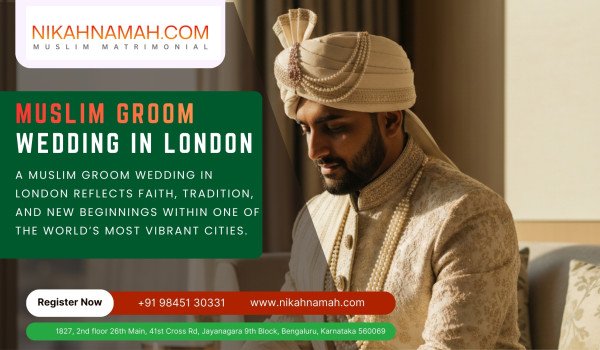
Getting married is one of life's most significant milestones, and for Muslim grooms planning their wedding in London choosing the right life partner through a trusted Muslim matrimony for grooms in London is often the first and most important step, this momentous occasion comes with a unique blend of opportunities and challenges. Whether you're an international groom relocating to the UK for work, studies, or love, or you're based in London and marrying someone from abroad, navigating the intersection of Islamic traditions, British culture, and modern wedding expectations requires careful consideration and thoughtful planning.
London, with its rich cultural diversity and well-established Muslim communities, offers exceptional opportunities to create a meaningful celebration that honors your Islamic faith while embracing the vibrant energy of this global city. This comprehensive guide will walk you through every aspect of planning your wedding, from understanding Islamic traditions to navigating legal requirements, finding the perfect venue, and managing the unique challenges that come with being an international groom.
Understanding Islamic Marriage: The Foundation of Your Wedding
Before diving into the logistics of planning a London wedding, it's crucial to understand the Islamic framework that forms the foundation of your marriage. In Islam, marriage is not merely a social contract but a sacred bond outlined in the Quran and Sunnah (teachings of Prophet Muhammad). Understanding these principles will help guide your wedding decisions and ensure that your celebration remains true to your faith.
The Nikah: The Heart of Islamic Marriage
The nikah (Islamic marriage contract) is the most essential element of a Muslim wedding. This is fundamentally different from a civil wedding ceremony, though many Muslim couples in modern times choose to have both. The nikah is a formal, binding contract between two consenting individuals, conducted in the presence of witnesses and typically overseen by an imam or other qualified religious official.
The nikah involves several key components. First is the ijab, which is the offer from the bride's side (traditionally from her wali, or guardian). This is followed by the qabul, the formal acceptance from the groom. The presence of at least two witnesses is essential for the nikah to be valid under Islamic law. These witnesses must understand the contract and be mentally sound adults.
One of the beautiful aspects of Islamic marriage is the concept of mahr—a gift or contribution from the groom to the bride. This is not a bride price but rather a symbol of the groom's commitment and responsibility towards his wife. The mahr can be monetary, property, or even something as meaningful as teaching the Quran. In London, grooms often choose mahr amounts that reflect their financial situation and the economic context of the UK.
The Walima: Celebrating Your Union
The walima is the wedding feast and celebration that follows the nikah. Traditionally, the groom's family hosts this celebration to announce and celebrate the marriage publicly. In Islamic tradition, attending the walima is encouraged, and it's considered a way of supporting the newly married couple and strengthening community bonds.
The walima holds significant cultural and religious importance. It's not merely a party but a public affirmation of the marriage and an opportunity to include the broader community in your joy. Many Islamic scholars emphasize that while the walima should be a joyous occasion, it should also reflect modesty and avoid excess. This doesn't mean your London wedding needs to be austere—it means finding a balance between celebration and Islamic values.
The Unique Position of Abroad Grooms in London
Being a Muslim groom from abroad brings its own distinct set of considerations and opportunities which is why many families rely on a nikah match service for Muslim grooms abroad that understands both Islamic values and UK-based realities. Many grooms in this position find themselves at a crossroads between their family's expectations back home and the realities of planning a wedding in London.
Family Expectations and Communication
If you're marrying someone from London or elsewhere in the UK, your family back home likely has specific expectations about how the wedding should look, feel, and be celebrated. Different cultures within the Muslim world have developed distinct wedding traditions—Pakistani weddings often involve multiple days of festivities including mehndi and baraat, Arab weddings might emphasize different customs, and Turkish or Malaysian traditions carry their own unique elements.
As an abroad groom, you may find yourself being pulled in different directions. Your family might expect a traditional multi-day celebration with all the ceremonies, while your bride's family (if she's British or based in London) might prefer a more streamlined, single-day event. Your London-based guests might find it difficult to take multiple days off work for wedding festivities, while your family back home might see a shorter celebration as a slight to tradition.
The key to navigating this is open, honest communication. Early conversations with both families about priorities, budget, and feasibility are essential. You might find that there are ways to honor traditions while adapting them to London's context. For example, a mehndi ceremony can be celebrated the night before the nikah and walima rather than days before. A baraat procession can be simplified or reimagined for London's urban environment.
Financial Considerations for Abroad Grooms
Planning a wedding as an international groom often involves financial complexity. You might be managing expenses in multiple currencies, dealing with visa-dependent income, and navigating the higher costs of venues and catering in London compared to many other countries.
London is an expensive city, and wedding costs here can be significantly higher than in many parts of South Asia, the Middle East, or Africa. Venue rentals, catering, and professional services like photography and videography command premium prices. As an abroad groom, you need to be realistic about what your budget can accommodate and make strategic choices about where to invest and where to economize.
Many grooms find it helpful to establish a clear budget early and stick to it. Research costs thoroughly—venues in London range from £1,000 to £10,000+ for rentals depending on location and capacity. Halal catering typically costs £25-£75 per person depending on the menu quality. Photography can range from £1,500 to £4,000+. Understanding these costs helps you make informed decisions and prevents budget overruns.
Consider also that as an abroad groom, you might want to budget for your family's travel and accommodation. If you're inviting significant numbers of relatives from abroad, accommodation is a major expense. Some grooms negotiate group rates at hotels or arrange shared accommodation to help guests manage costs.
Navigating London's Diverse Muslim Communities
When planning a wedding in London, families often prioritize trust and transparency, making it essential to work with a verified Muslim marriage bureau in London that personally checks profiles, intentions, and family background. One of London's greatest strengths as a wedding destination for Muslim grooms is its diverse and well-established Muslim communities. The city is home to approximately one million Muslims, representing various nationalities, traditions, and interpretations of Islamic practice. This diversity creates both opportunities and complexities.
Finding Your Community and Resources
London has numerous mosques, Islamic centers, and community organizations dedicated to serving Muslim residents. Areas like Tower Hamlets, Waltham Forest, Newham, and parts of Westminster have particularly high concentrations of Muslim residents and well-developed Islamic infrastructure.
The London Central Mosque (also known as the Regent's Park Mosque) is one of the city's most prominent Islamic institutions. Other significant mosques include the Baitul Futuh in Morden (serving the Ahmadi community), the East London Mosque, and countless others representing different Islamic schools of thought and cultural traditions.
When you arrive in London or begin planning your wedding, connecting with these communities early is invaluable. Many mosques have community centers that offer wedding services or can recommend trusted vendors. They can connect you with imams for your nikah, recommend halal caterers, and provide guidance on religious requirements for your ceremony.
Understanding Different Islamic Schools of Thought
Islam has different schools of thought (madhabs) including Hanafi, Maliki, Shafi'i, and Hanbali traditions, each with slightly different approaches to Islamic jurisprudence. Additionally, there are different interpretations within Sunni and Shia Islam, as well as other Islamic movements like the Ahmadi community.
When planning your nikah, ensure you're working with an imam or religious authority whose interpretation aligns with your family's beliefs and practices. Different Islamic scholars might have varying opinions on aspects like music, gender mixing, or specific ceremony formats. Early communication with potential imams ensures that your wedding meets your family's religious standards and your own values.
Legal Requirements: Marrying in the United Kingdom
Many Muslim grooms benefit from guidance provided by a Muslim marriage service in the UK for NRIs, especially when managing both nikah and civil registration requirements. While the nikah is religiously binding, UK law requires separate civil registration for your marriage to be legally recognized. Understanding these requirements prevents complications later and ensures your marriage is valid both religiously and legally.
Civil Registration in England and Wales
Under UK law, marriages must be registered with the local registry office. For a marriage to be legally valid, you must give notice to the registry office at least 28 days before the ceremony. This notice period allows the local authority to verify that there are no legal impediments to the marriage (such as one party already being legally married).
You can register your marriage in any registry office in England and Wales, though it's most convenient to do so in the area where you're planning to marry or where you reside. The registration process requires both partners' presence and involves providing documentation including birth certificates, proof of residence, and (if applicable) divorce decrees or death certificates of previous spouses.
Importantly, you have options for how to combine your religious and civil ceremonies. Some couples choose to have the nikah conducted at a mosque with civil registration happening separately at the registry office on a different day. Others prefer to have both ceremonies on the same day at a venue that can accommodate both. Many London hotels and dedicated wedding venues now have registry office partnerships that allow couples to complete civil registration on-site.
Registering a Religious Marriage
Under Section 26 of the Marriage Act 1949, certain religious buildings registered as places of worship can apply for approval to conduct marriages. Many mosques and Islamic centers in London are registered for this purpose, meaning an imam can conduct the religious ceremony, and the couple can receive a civil marriage certificate immediately without needing to visit a registry office separately.
Check with your chosen mosque or venue about whether they have this approval. If they do, the process is streamlined. If not, you'll need to coordinate with a local registry office to complete the civil formalities separately.
Important Documentation
Ensure your documentation is in order early. If you're an international groom, you'll need:
- A valid passport
- Proof of residential address (utility bills, tenancy agreement)
- Original or certified copy of your birth certificate
- If previously married, your divorce decree absolute or death certificate of your previous spouse
- If changing your name, a deed poll or statutory declaration
Some of this documentation might need to be translated if it's in another language. The local registry office can advise on specific requirements for your situation.
Choosing Your Venue: Creating the Perfect Space
Grooms who are new to London often rely on Muslim wedding planning and matchmaking services in London to find venues that meet both Islamic and cultural requirements. The choice of venue is one of the most important decisions you'll make in planning your wedding. Your venue shapes the entire experience of your wedding day and must accommodate both your Islamic requirements and your celebration style.
Mosque and Islamic Center Venues
Many Muslim grooms choose to hold their nikah at a mosque or Islamic center. These venues offer several advantages: they're inherently appropriate for a religious ceremony, they often have experienced staff familiar with Islamic weddings, and they're typically affordable compared to commercial wedding venues.
Major London mosques like the London Central Mosque, the East London Mosque, and the Baitul Futuh often have facilities for wedding celebrations. These venues typically include a prayer hall for the ceremony, space for attendees, and sometimes additional halls for the walima celebration. However, capacity might be limited, and you'll need to book well in advance, particularly during busy wedding seasons (spring and summer).
Working with a mosque has religious advantages. The imam's presence ensures the ceremony meets Islamic standards, and the setting reinforces the religious significance of the occasion. Many mosques have community connections that can help you find vendors who understand Muslim wedding requirements.
However, mosque venues often have limitations. Some don't permit music or dancing, which might not align with your celebration vision. Photography might be restricted. Catering options might be limited if you can't bring in external caterers. Discuss these policies clearly when booking.
Hotel Venues and Luxury Event Spaces
London's luxury hotels and dedicated event spaces have increasingly recognized the Muslim wedding market and are adapting their services accordingly. Major hotels like the Taj Westbury, the Jumeirah Carlton Tower, the Four Seasons, and many others now actively cater to Muslim couples.
These venues offer several advantages. They provide elegant, sophisticated spaces suitable for both formal ceremonies and celebrations. Many now have on-site halal-approved kitchens or partnerships with halal caterers. They typically have prayer rooms available for guests. The quality of amenities, from climate control to lighting to acoustics, is generally excellent. Many can facilitate civil registration on-site through their registry office partnerships.
Hotels in areas with significant Muslim populations, like Tower Hamlets or areas around Brick Lane and the South Asian neighborhoods, often have particular expertise with Muslim weddings. They understand requirements around gender-specific areas if desired, can arrange for private spaces, and often have staff familiar with Islamic traditions.
The trade-off with hotel venues is cost. Premium London hotels charge £2,000-£5,000+ for venue hire alone, before catering. However, many offer package deals that can be cost-effective if you're hosting a large number of guests.
Community Halls and Dedicated Wedding Venues
Numerous community halls, function rooms, and smaller dedicated wedding venues throughout London offer more affordable options. Areas with significant Muslim communities often have well-equipped community centers designed for events.
These venues offer flexibility—you can typically bring in your own caterer, arrange your own entertainment, and customize the space extensively. This is particularly valuable if you want to blend multiple wedding traditions or have specific cultural requirements. Prices are typically more reasonable, with venue hire ranging from £500-£2,000.
The trade-off is that these venues might lack some amenities of luxury hotels, and you'll have more logistics to manage yourself. You'll need to arrange for adequate halal catering, ensure prayer facilities are available, handle your own entertainment setup, and manage other details that might be bundled with hotel packages.
Factors to Consider When Choosing Your Venue
Location and Accessibility: Consider your guests' travel needs. Is the venue accessible by public transport? Is parking available? For guests traveling from abroad, proximity to major transport hubs can be important. Venues in central London or well-connected areas are generally more convenient.
Capacity: Realistically assess your guest count. A venue that's too small creates discomfort; one that's too large feels empty. Remember that wedding sizes vary—some traditions expect extended family and large guest lists, while others prefer more intimate celebrations.
Religious Facilities: Confirm the venue has adequate facilities for prayer. This includes a clean space for ablution (wudu) and prayer. For mosques and Islamic centers, this is inherent. For hotels and other venues, confirm this before booking.
Catering Options: If not choosing a mosque, ensure the venue either provides halal-certified catering or permits you to bring in external halal caterers. Verify that their halal certification is legitimate and meets your family's standards.
Flexibility and Policies: Understand the venue's policies regarding music, decorations, photography, gender mixing, and alcohol. Some Muslim grooms prefer gender-segregated areas for parts of the celebration; ensure your venue can accommodate this if desired.
Backup Plans: London weather can be unpredictable. If considering outdoor spaces, ensure there's a weather contingency plan.
Planning the Wedding Celebrations: Blending Tradition and Modernity
Professional guidance through Muslim matrimony and wedding support services in the UK can significantly reduce stress for grooms managing international families and complex logistics. Once you've secured your venue and arranged the nikah, you'll focus on the celebration—the walima. This is where you have the greatest creative freedom to blend Islamic principles with your personal style and cultural traditions.
Traditional Wedding Events
Many Muslim groom's families observe specific pre-wedding traditions that you might want to incorporate, adapted for a London context.
Mehndi Ceremony: Particularly common in South Asian Muslim traditions, the mehndi is a celebration where henna designs are applied to the bride's hands and arms. Traditionally held days before the wedding, it's a women-centered celebration with music, dancing, food, and festivity. In London, many grooms adapt this to an evening event the night before the nikah or incorporate it into a larger mixed celebration.
Baraat: In some South Asian traditions, the groom arrives at the wedding venue in a procession (baraat) with music and dancing, often riding a horse or in a decorated vehicle. In London, this tradition is often simplified—a group arrival with music, perhaps in decorated cars, or even incorporated into the walima as a grand entrance rather than a separate pre-ceremony event.
Dholki: A dholki (drum-based music gathering) is sometimes held as an informal pre-wedding celebration. In London, this might become a more formal cocktail or dinner event with live music.
Engagement and Betrothal Events: Some families hold formal engagement ceremonies. If your families are in different countries, you might hold separate events—one in London with your groom's community, and one in your family's home country.
The Walima: Your Main Celebration
The walima is your primary celebration event, typically held on or shortly after the nikah. This is where you'll invite your guests, serve food, and celebrate your marriage.
Timing and Duration: Traditionally, the walima is held on the wedding night or the day after the nikah. However, London couples often schedule it for the weekend following the nikah to accommodate guests' work schedules. Many grooms host a Friday evening event or a Saturday celebration. The duration varies from a few hours for a lunch or dinner reception to an all-day celebration.
Guest List and Seating: Determine your guest capacity based on your venue and budget. London grooms often invite colleagues, friends from university or work, neighbors, and community members alongside family. Consider whether you want segregated seating for parts of the celebration or prefer integrated guest arrangements. This is a personal and cultural choice—some families maintain gender-separated areas during specific parts of the event, while others prefer a fully mixed celebration.
Food and Catering: Halal catering is essential and non-negotiable. London has excellent halal caterers familiar with Muslim wedding requirements. When selecting a caterer, verify their halal certification with a recognized Islamic body. Confirm that all meat is halal-slaughtered, that no alcohol is used in cooking, and that all ingredients meet Islamic dietary requirements.
Consider your cultural food traditions. Pakistani grooms might want traditional dishes like biryani, tandoori preparations, and South Asian desserts. Arab grooms might prefer a Middle Eastern menu. South Asian grooms might want Bengali or Bangladeshi specialties. London caterers increasingly understand these nuances and can accommodate traditional dishes alongside contemporary options.
Entertainment and Music: This is where traditions vary significantly. Some families strictly avoid music and dancing based on their Islamic interpretation. Others embrace music and dancing as part of their celebration. Many grooms find a middle ground—perhaps avoiding traditional instruments and secular songs, but embracing Islamic nasheeds (religious songs) or contemporary music with Islamic values.
Professional DJs experienced with Muslim weddings understand these variations. They can read the room, understand what's appropriate for your families, and keep the celebration energetic while respectful.
Décor and Aesthetics: Modern Muslim weddings in London often feature beautiful décor. Floral arrangements, lighting, table settings, and backdrops create an elegant atmosphere. Consider décor that reflects your cultural background—colors and designs from your heritage can create a meaningful aesthetic. Many grooms work with wedding planners or decorators experienced in Muslim celebrations to create stunning visual experiences.
Managing International Guest Logistics
If you're an abroad groom with family coming to London specifically for your wedding, you'll need to manage significant logistics to ensure your guests have a positive experience.
Accommodation
London accommodation is expensive. Help guests find reasonable options by researching hotels in different price ranges in advance. Areas like King's Cross, Stratford, or areas with Muslim populations often offer better value than central London hotels. Consider:
- Negotiating group rates at 2-3 hotels
- Arranging shared accommodation through homestay platforms
- Providing a list of reasonably priced, well-reviewed hotels with good public transport access
Transportation and Navigation
London's public transportation system is extensive but can be confusing for first-time visitors. Provide guests with:
- Detailed directions from their accommodation to wedding venues
- Tube and bus route information
- Transportation apps (Google Maps, Citymapper)
- A WhatsApp or email group for logistics questions
- Perhaps arranging shuttle services from hotels to venues if you have the budget
Orientation Information
Send guests practical information about London, including:
- Weather expectations and clothing recommendations
- Currency and banking information
- Local halal restaurants and shops
- Prayer times and nearby mosques
- Emergency contacts
Visa and Immigration Support
If inviting international guests, provide them with:
- Clear invitation letters for visa applications
- Details about your wedding that help them explain their UK visit to immigration authorities
- Information about visa requirements for their nationality
- Guidance on what to expect at UK immigration
Pre-Wedding Social Events
Many grooms arrange additional social events for guests visiting from abroad. A welcome dinner the evening guests arrive, a casual gathering the day before the wedding, or a post-wedding gathering helps family bond and makes the visit feel more complete.
The Role of Technology and Modern Conveniences
Modern Muslim grooms leverage technology to enhance their wedding experiences and include those who cannot attend physically.
Live Streaming
Many abroad grooms now live-stream their nikah ceremony so family members unable to travel can witness the marriage. Platforms like Zoom, YouTube, or dedicated wedding streaming services allow real-time viewing. This is particularly meaningful for elderly relatives or those with mobility constraints. Ensure you have:
- Good internet connectivity at your venue
- Multiple camera angles if possible
- Technical support to manage the stream
- Consideration of time zones if family is watching from far away
Digital Invitations and RSVPs
While formal printed invitations maintain traditional elegance, digital invitations streamline the RSVP process, especially when guests are in multiple countries. Many wedding websites allow guests to RSVP, view maps, and access wedding details in one place.
Photography and Videography
Professional photography and videography are increasingly important for Muslim weddings in London. Choose vendors experienced with Muslim celebrations who understand:
- Gender-sensitive photography (respecting if some moments should be women-only)
- The cultural significance of various moments
- Timing of key events
- Appropriate posing and positioning
Navigating Religious Considerations and Imam Selection
Your nikah is the religious heart of your wedding, so selecting the right imam is crucial.
Finding an Imam
Connect with your local mosque or Islamic center early. They can recommend experienced imams familiar with conducting marriage ceremonies. If you have specific requirements—perhaps you want an imam from a particular Islamic school of thought or cultural background—discuss this with the mosque administration.
Pre-Ceremony Consultation
Meet with your chosen imam before the wedding to discuss:
- The mahr (dower) you'll give your bride
- Wedding date and time
- Venue logistics and setup
- Any customizations you want within Islamic boundaries
- Whether he'll conduct civil registration (if your venue is registered)
- His expectations for witnesses and their roles
Understanding Islamic Marriage Rights and Responsibilities
Many grooms also seek guidance through a dedicated Muslim nikah matchmaking service in the UK, especially when families are based in different countries. Use this consultation to ensure you understand your rights and responsibilities as a husband in Islam. While this isn't the focus of your wedding planning, understanding Islamic principles about marital rights, financial responsibilities, kindness to your spouse, and family relationships enriches your understanding of the commitment you're making.
Budgeting and Cost Management
Financial clarity and family expectations are easier to manage when working with a trusted Muslim marriage bureau in London that understands international groom concerns. Wedding budgeting requires careful planning, particularly for abroad grooms managing expenses internationally.
Typical Cost Breakdown
- Venue hire: £1,000-£5,000
- Catering: £30-£75 per person, multiplied by guest count
- Photography/videography: £1,500-£4,000
- Flowers and décor: £1,000-£3,000
- Entertainment/DJ: £800-£2,500
- Invitations and stationery: £200-£500
- Imam/religious services: Often modest (£200-£500)
- Registry office/legal fees: £46-£70 (registration fee)
- Guest accommodation assistance (if applicable): Highly variable
Cost-Saving Strategies
- Choose off-season dates (November-February, excluding December) for lower prices
- Select venues outside central London for better rates
- Use social media for photography rather than professional videography if budgets are tight
- Leverage talented friends for décor, music, or other services
- Simplify guest list to essential family and close friends
- Host events during off-peak meal times (late lunch rather than dinner)
- Create digital rather than printed invitations
Managing Wedding Stress and Staying Grounded
Emotional and logistical stress can be reduced with professional guidance from a Muslim matrimony consultant for grooms in the UK. Planning a wedding while adjusting to a new country can be stressful. Remember to:
- Keep the purpose of your wedding in mind—celebrating your marriage and Islamic commitment
- Communicate openly with your bride and both families about expectations and concerns
- Don't let perfection be the enemy of a joyful celebration
- Delegate tasks—don't try to manage everything yourself
- Take breaks during planning and enjoy your engagement period
- Remember that what matters most is the nikah and your commitment, not the decorations or menu
Conclusion: Your London Muslim Wedding
Planning your wedding as a Muslim groom in London is an opportunity to create a celebration that honors your faith, respects your traditions, and embraces your new home with the right guidance through Muslim matrimony for grooms in London, this journey becomes more confident and well-supported.. London's diverse, welcoming communities, excellent vendors, and sophisticated venues create an ideal environment for a meaningful celebration.
Whether you're marrying a childhood sweetheart from your home country or a partner you've met in London, whether you're planning an intimate gathering or a grand celebration, whether your wedding follows closely with traditions or charts a new course—what matters most is that your nikah is valid, your commitment is sincere, many grooms find clarity through a nikah match service for Muslim grooms abroad that understands faith, family, and life in the UK and your celebration reflects your values.
Take time to plan thoughtfully, communicate clearly with your families, engage with London's Muslim communities, and trust that with proper preparation, your wedding will be a beautiful, meaningful occasion that launches your marriage on a solid foundation.
Congratulations on your upcoming marriage. May your wedding be filled with joy, your marriage blessed with love and companionship, and your life together enriched with happiness and spiritual growth.

💬 Comments